
Is a Mobile Home a Good Investment? What San Antonio Buyers Need to Know in 2025

Mobile homes can be a smart investment choice in San Antonio for 2025. Traditional homes now average over $300,000, while new mobile homes cost around $85,000 - making the financial benefits obvious. Mobile homes have become an essential part of San Antonio's housing options, thanks to the city's population growth and newcomers looking for affordable places to live.
These homes offer advantages well beyond their price tag. Builders use durable materials that need less upkeep than traditional houses, and owners usually pay lower utility bills compared to single-family homes. Mobile homes stand out as the biggest source of unsubsidized affordable housing nationwide. Texas alone has about 2 million people (7.4% of the state's population) who call these homes their own.
Texas housing costs keep climbing - prices have jumped 45% since 2020. This makes mobile homes an attractive option for San Antonio residents who want stylish yet affordable housing. Let me guide you through the essentials of mobile home investments in San Antonio, from investment strategies to return factors and what the 2025 market might bring.
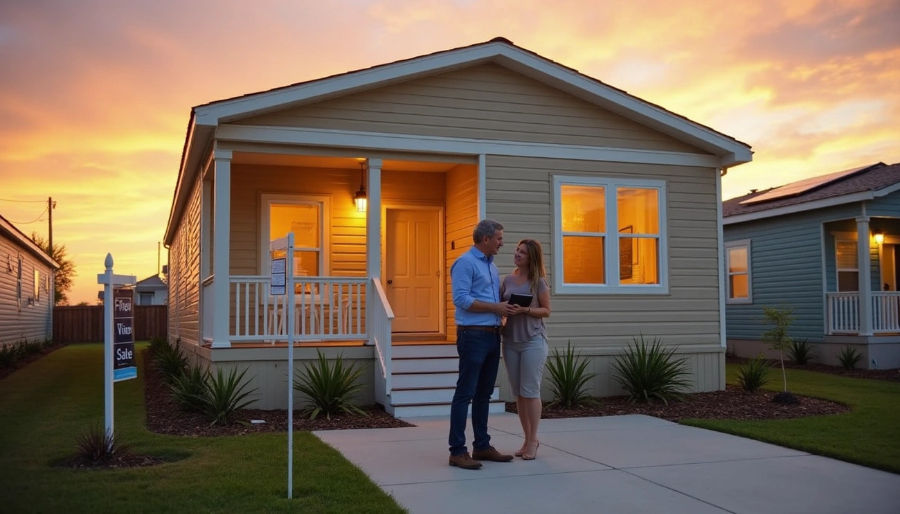
Why Mobile Homes Are Gaining Attention in San Antonio
Mobile homes have caught everyone's attention in San Antonio because they provide affordable housing when choices are limited. The widening affordability gap has made manufactured homes a more attractive investment.
Affordability compared to traditional homes
The cost difference between manufactured and traditional homes stands out clearly. San Antonio's average traditional home costs over $300,000, while a new mobile home costs around $85,000. This 72% price difference makes mobile homes an available path for many residents to own homes.
A 2023 report by the Joint Center for Housing Studies shows that a simple single-section manufactured home costs about 35% of a similar site-built home. Larger manufactured options still cost less, with double-section homes priced at about 60% of site-built houses.
The financial benefits of manufactured homes go beyond the original purchase price through:
Lower maintenance requirements
Reduced property taxes
More economical insurance costs
For those interested in how double-wide mobile homes differ in value and cost, it's worth exploring their benefits in today's market.
Growing demand for low-income housing options
San Antonio faces mounting housing pressure with a population growth rate of 1.5% in 2023. This growth and the nationwide housing shortage of 3.8 million homes have created an urgent need for affordable options.
The U.S. Department of Housing and Urban Development says affordable housing should cost less than 30% of a household's gross income. Notwithstanding that, housing expenses burden about 23% of all American homeowners (19 million people).
Developers have noticed this need. A major 100-acre mobile home community is under construction in San Antonio. It will provide lower-cost housing alternatives without giving up community amenities.
Learn why more families are beginning to consider mobile home communities as a long-term home.
Changes in perception of manufactured homes
Public perception of manufactured homes has changed dramatically. Modern mobile homes come in different styles, sizes, and amenities that make them attractive alternatives to traditional housing.
Quality improvements have made a big difference. Today's manufactured homes feature energy-efficient designs with better insulation and high-quality windows. New models look just like site-built homes.
CrossMod™ manufactured housing helps address old concerns about quality and design. This innovation has helped change people's views from "only if I have to" to "consumer's first choice" for many San Antonio residents.
Types of Mobile Home Investments You Can Make
San Antonio offers four main ways to invest in mobile homes. Each approach has unique advantages that depend on your financial goals and comfort with risk.
Buying to live in vs. buying to rent
A mobile home can build equity when you use it as your primary residence, especially when you own both the home and land. You'll enjoy tax benefits and growing equity that renters never see. Mobile homes as rental properties create steady income with lower maintenance costs and taxes than traditional homes.
People looking for economical housing solutions make reliable tenants for mobile home rentals. These units experience lower turnover rates than apartments because moving a mobile home costs thousands of dollars. Long-term investors find this stability especially appealing.
Flipping mobile homes for profit
Mobile home flipping works like traditional house flipping but needs much less capital. Smart investors buy homes that need work, renovate them, and sell at higher prices. A San Antonio investor bought a mobile home for $81,500, spent $45,000 on renovations, and sold it for $255,000—making about $110,000 in profit.
First-time investors love this strategy because of its lower entry costs. Mobile homes need simpler repairs and cost less to renovate, which leads to faster flips and quicker returns.For help identifying key maintenance tasks, see these common mobile home repairs you can do yourself.
Investing in mobile home parks in Texas
Texas leads the United States with 5,176 mobile home parks. Professional companies own just 20% of these parks, which creates plenty of opportunities for investors. These investments yield impressive 7-10% cap rates nationally—higher than any other real estate niche.
Park investors own the land and infrastructure while collecting rent from homeowners who place their units on the property. This setup means fewer maintenance duties and reliable cash flow.
Adding value through land ownership
Land ownership changes everything about the investment. Mobile homes might lose value, but the land beneath them usually gains value. Your property's value grows even more when you place a mobile home on land you own and make utility improvements.
This approach combines economical manufactured housing with land ownership's wealth-building potential. The result balances immediate affordability with long-term value growth.
What Makes a Mobile Home a Good or Bad Investment
Mobile homes present both opportunities and risks in San Antonio's 2025 market. These manufactured homes lose value over time, unlike traditional houses that generally increase in value.
Depreciation vs. land appreciation
The biggest challenge with mobile homes lies in how they lose value. These homes depreciate much like cars do. A double-wide that costs $150,000 can lose over $50,000 of its value in just five years. The land underneath the home makes a huge difference though. The property's location becomes the deciding factor in value changes, and homes with owned land lose value much slower.
Are double wides a good investment?
Double-wide mobile homes need more money upfront but hold their value better long-term. The cost to remodel ranges from $20,000 to $40,000, while single-wides cost $15,000-$25,000. Double-wides attract better tenants and sell for higher prices, even with steeper renovation costs. The property's location and land ownership status ended up determining their true investment worth.
Maintenance and upgrade costs
Good maintenance helps mobile homes last longer and keep their value. Financial experts say you should save 1-2% of your home's purchase price each year for upkeep. This means putting aside $1,200-$2,400 yearly for a $120,000 home. Kitchen updates run between $5,000-$15,000 for double-wides, and bathroom renovations cost $4,000-$10,000. Smart upgrades can boost resale value by 30-50%.
Resale value and market demand
Buyers in the mobile home market value practical improvements more than luxury features. Energy-saving upgrades bring 2-3 times better returns than in regular homes because buyers watch their costs closely. Outside improvements deliver 15-25% higher ROI than traditional homes by addressing value concerns. Practical upgrades that lower operating costs outperform decorative changes by a 2:1 ratio.
Future Trends for Mobile Home Investments in 2025
Mobile homes will be attractive investments in 2025 as new developments reshape the market. These trends are changing how investors look at manufactured housing opportunities in San Antonio.
Smart home features in manufactured homes
Smart technology is growing faster in the manufactured housing sector. Modern mobile homes now come with voice assistants like Alexa or Google Assistant that naturally control lighting, thermostats, and appliances. These smart systems are not just for luxury models—they have become standard features that improve both comfort and property value. Home automation systems let owners program lighting schedules, adjust temperatures, and monitor their homes remotely. This makes these properties more attractive to tech-savvy buyers and renters.
Eco-friendly and energy-efficient upgrades
Energy efficiency has become crucial for manufactured homes. The Department of Energy created new standards in 2023 for all new manufactured homes that improved their efficiency. Homeowners can expect:
Solar panels that cut down grid power usage
LED lights and ENERGY STAR-certified appliances that reduce utility costs
Smart thermostats that adjust heating and cooling based on how you use them
These upgrades reduce environmental impact and lower monthly costs, which leads to better investment returns. Read more about affordable mobile home pricing trends in 2024 to plan smarter purchases.
Policy changes and zoning updates
Housing experts now see mobile homes as a solution to America's housing shortage—once proper protections are in place. Local zoning laws still ban manufactured housing in many communities nationwide, but this is changing. Investment opportunities will grow in previously restricted areas as regulations adapt to affordable housing needs.
Increased investor interest in mobile home parks
Big investors have flooded the manufactured home market. They made up 23% of all manufactured home purchases in 2020-21, up from 13% in 2017-19. Mobile home parks now give about 22% yearly compound returns—the highest in real estate. This has pushed acquisition costs higher, and some parks now sell for $9 million after improvements, compared to their previous $950,000 value.
Conclusion
Mobile homes can be good investments in San Antonio for 2025. Your strategy and circumstances will determine your success.
Mobile homes provide great financial benefits in San Antonio's expensive housing market. Traditional homes cost more than $300,000 on average. New mobile homes cost about $85,000. These homes need less maintenance and have lower utility bills, which makes them even more attractive as investments.
Mobile homes lose value over time, unlike traditional real estate. This makes land ownership a vital part of long-term value. Owning both the home and land helps you gain from land value increases while offsetting the home's depreciation.
Your choice of investment strategy will affect your returns by a lot. You can live in your mobile home, rent it out, flip it for profit, or invest in mobile home parks. Each option has its benefits based on your financial goals and risk tolerance.
The mobile home market in San Antonio looks promising for 2025. Smart home technology, eco-friendly upgrades, and new zoning rules point to higher value and better acceptance of manufactured housing. More institutional investors are showing interest, which highlights this market's profit potential.
Without doubt, mobile homes help solve San Antonio's affordable housing shortage. Investors who understand manufactured housing's unique features can earn impressive returns. These properties also provide needed housing options for the community.

